Pinning IPFS: Qué es, por qué importa y cómo se usa en criptomonedas y DeFi
When you interact with a blockchain project that uses IPFS, un sistema de almacenamiento descentralizado que reemplaza las URLs tradicionales por hashes criptográficos. Also known as InterPlanetary File System, it lets you store files like NFT metadata, smart contract code, or app interfaces without relying on central servers. But if no one keeps a copy of those files alive, they vanish. That’s where pinning IPFS, el proceso de asegurar que un archivo permanezca disponible en la red IPFS mediante nodos que lo mantienen activo. Without it, your NFT could show a broken image. Your DeFi app could stop loading. And your airdrop claim? It might just disappear.
Many crypto projects you’ve seen — like those using NFTs con IA, como los de IguVerse, que almacenan modelos generativos en IPFS. — depend on pinning to keep their assets live. If the project’s team stops paying for pinning services, or if they use unreliable nodes, your token becomes a ghost. That’s why some airdrops, like the one for 2CRZ or Midnight (NIGHT), require you to use a wallet that supports IPFS pinning. It’s not just about claiming tokens — it’s about keeping them usable. Even protocols like Centrifuge and Graphlinq Chain rely on IPFS to store documents, automation scripts, or financial records off-chain, so pinning ensures those records stay verifiable forever.
Pinners aren’t just for big companies. Individual users can pin their own files using tools like Pinata, Infura, or even a self-hosted node. But if you’re participating in a DeFi project or holding an NFT, you need to know: is this project pinning its data properly? Are they using a trusted service? Or are they cutting corners? The difference between a working asset and a dead link often comes down to this one step. In a world where tokens vanish overnight and airdrops turn into scams, pinning IPFS is the quiet backbone that keeps the decentralized web from collapsing.
Below, you’ll find real examples of how pinning IPFS affects airdrops, NFTs, and DeFi apps — and which projects actually do it right.
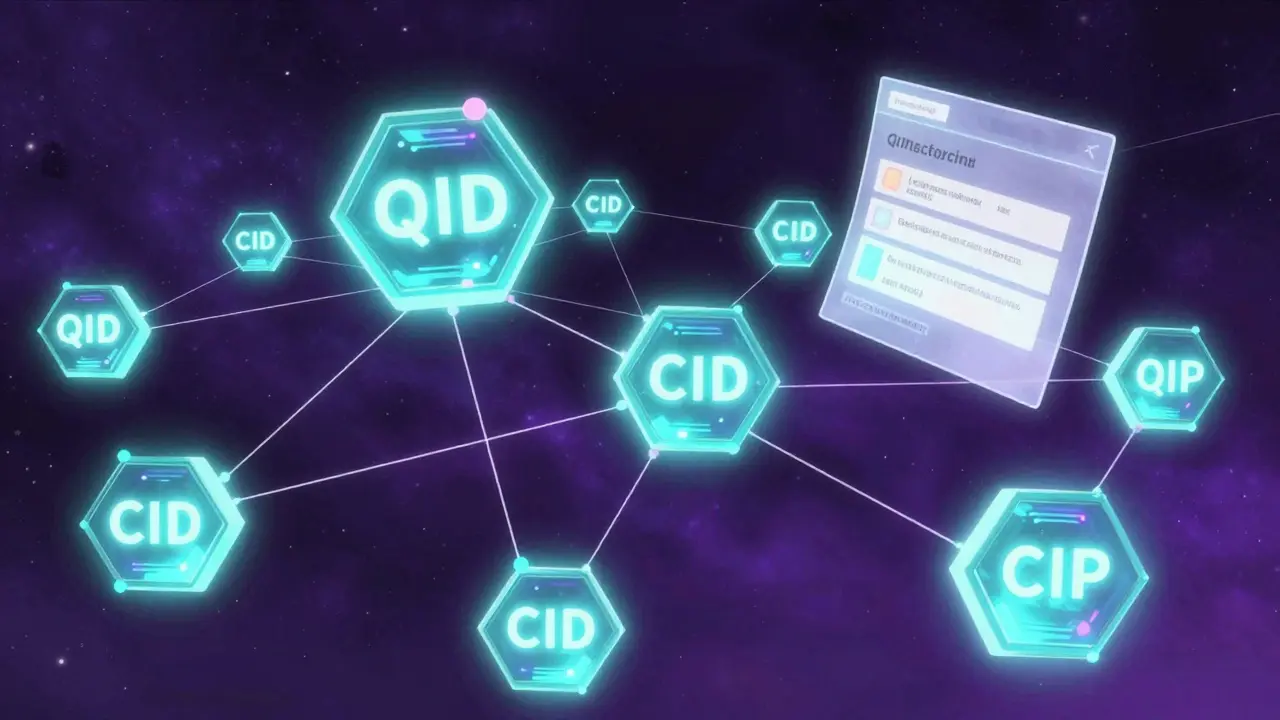
Cómo funciona IPFS para almacenar NFTs: Guía técnica práctica
IPFS es la forma más usada para almacenar datos de NFTs, pero sin pinning, tus imágenes pueden desaparecer. Esta guía explica cómo funciona, qué errores evitar y cómo asegurar que tu NFT dure años.
Leer más